
Pattie Gonia vs. Patagonia
The Down "Row"
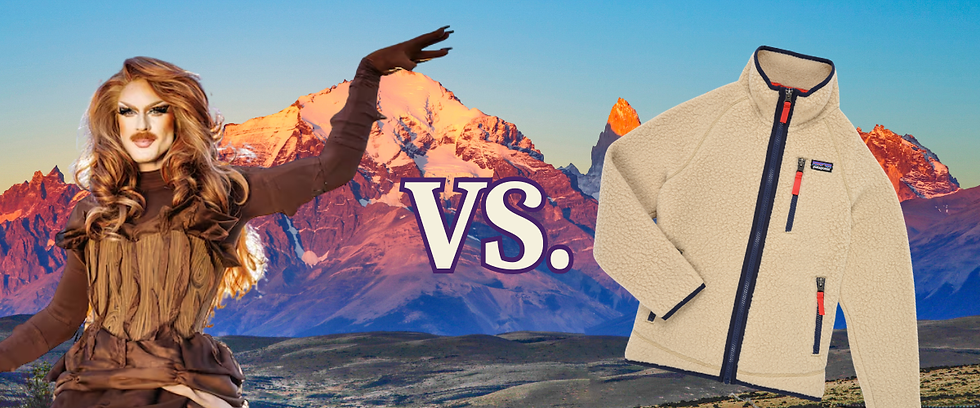
Pattie Gonia is a drag performer, environmental activist, and outdoor content creator who built a million plus following by embodying exactly the culture Patagonia spent decades cultivating: inclusivity, climate advocacy, and the idea that the outdoors belongs to everyone.
In January 2026, Patagonia filed a trademark infringement lawsuit against her, citing brand confusion and an earlier agreement around commercial use of the name. Patty went public on the eve of Pride Month. The internet had thoughts. Below, Michaela and Jess work through what's actually at stake and why no one is winning.
Let's Have a Row A Kova Row series where we work through brand strategies worth arguing about.
Michaela: Patagonia is literally suing their own greatest case study. That's what nobody's saying out loud.
Jess: Okay, but I need to play devil’s advocate for a second because the legal argument is actually stronger than people want to admit.
Michaela: I agree with you. And that's what makes this such a mess. Both things are true. Patagonia probably has the stronger legal footing. And they are torching their own community in the process. Jess: Right, because you've got a drag performer and environmental activist, Pattie Gonia, who built a brand with over a million followers on the exact culture Patagonia spent twenty years creating. Inclusive outdoors, climate advocacy, the whole thing. And the moment she files a trademark and starts selling merch with mountains on it, they hit her with a lawsuit.
Michaela: And that's the tripwire. That's what changed. It wasn't the name. Patagonia let the name exist for years, and they even had alignment conversations back in 2022. The legal action came when she stopped being a creator and started being a competitor. When she manufactured product and sold it. When she became a commercial entity.
Jess: Which is a legitimate line.
"The brands that come back from this kind of thing do it by being genuinely more themselves, not less. The ones that don't make the mistake of trying to manage perception instead."
Michaela: Totally legitimate. And here's the thing: I can make that argument all day. But there's a courtroom and there's a cultural room, and they are not the same place. Patagonia can win in a courtroom and lose everything that actually matters to their brand.
Jess: You've mentioned what happened with Jan Sport and JanSport before, stating that JanSport did it differently.
Michaela: This is what I keep coming back to. Jan Sport, the drag performer and RuPaul's Drag Race alum, had the same scenario. Same name collision. RuPaul quietly asked her to perform just as "Jan" on the show to avoid a legal issue, and then JanSport, rather than sue Jan, eventually signed a deal with her. She's now legally permitted to go by Jan Sport. They made it work.
Jess: And JanSport came out looking incredible for doing that. The timing made it bold. This was before the cultural wars around brand alignment got this intense. They walked into a youth-facing, LGBTQ-adjacent partnership and said yes, this is who we are.
Michaela: Would they make the same call today? I genuinely don't know. But here's what's different about the Patagonia situation: this isn't a coincidence of names. Pattie Gonia exists because Patagonia built a world where she could thrive. She's not a parody of the brand, but rather she is a product of the culture they created.
Jess: That's the thing that makes this feel different from a standard trademark dispute. You can't cleanly separate the infringement from the origin story.
Michaela: Exactly. And Patagonia has spent years running some of the most contrarian, trust-building marketing in outdoor apparel. "Don't buy this jacket." The whole anti-corporate corporate brand play. Their identity is built on being the alternative. And now they're going after someone who took that identity seriously — who actually built her life around it, and they look like every brand they've spent two decades positioning against.
Jess: North Face understood what Patagonia didn't. When they partnered with Pattie on the Summer of Pride, they weren't partnering with a parody. They were accessing a community. They didn't call her North Façade. They went to Pattie Gonia specifically because of what that name carries.
Michaela: Which is a genius competitive move. And Patagonia had to watch their biggest competitor do what they should have done. That's where I think the rea ldamage started — not the lawsuit. The lawsuit is just the visible wound.
Jess: So if either one, Pattie Gonia or Patagonia, calls us tomorrow, how would we help them grow stronger because of this situation? What is the damage control?
Michaela: Honestly? The trademark cleanup is the easy part. Let the legal teams sort out the application withdrawal, the logo stuff. Fine. But the third demand - no more brand partnerships as Pattie Gonia - that's where you've crossed from legal protection into identity erasure. And you cannot win that argument culturally. And she's made clear that her advocacy model depends on those partnerships. Take them away, and you don't just stop the merch, you break the whole ecosystem she built.
Jess: Right. So if we’re advising Patagonia, we’re telling them that you’ve already lost the moral authority fight. The only path back is to actually earn it. Not a statement, not a planted story. A real, multi-year commitment that puts them in genuine alignment with the community they are pushing away. And that means involving Pattie, and not just gesturing at causes she cares about. The brands that come back from this kind of thing do it by being genuinely more themselves, not less. The ones that don't make the mistake of trying to manage perception instead.
Michaela: Patagonia built their whole identity on the idea that doing the right thing and building a great brand are the same project. They have to believe that's still true here. Because if they win this lawsuit and lose Pattie Gonia's community, a community they created, that's not brand protection. That's self-destruction with extra steps.


Comments